Verdun · L'Île-des-Sœurs
Doors, transoms and windows in Verdun: what the borough requires
Verdun's rules for doors are unusually detailed. The borough specifies the shape, height and clarity of door glass, requires the glass panel above a door, the transom, to be kept or restored, and has separate provisions for upper balcony doors and for Wartime houses. Read them once and the practical conclusion is plain: when a door's glass cracks or fogs, new glass in the existing door is usually the most direct way to stay within them. We're a free referral service connecting Verdun owners and tenants with independent local glass professionals, for door glass, windows and the rest.
At a glance
- Housing
- 1920s plexes in the Moffat area; post-1945 houses in Crawford Park
- Door glass
- Shape, height and clarity set by the borough
- Transoms
- Keep or restore
- Common jobs
- Door glass, balcony doors, thermos units
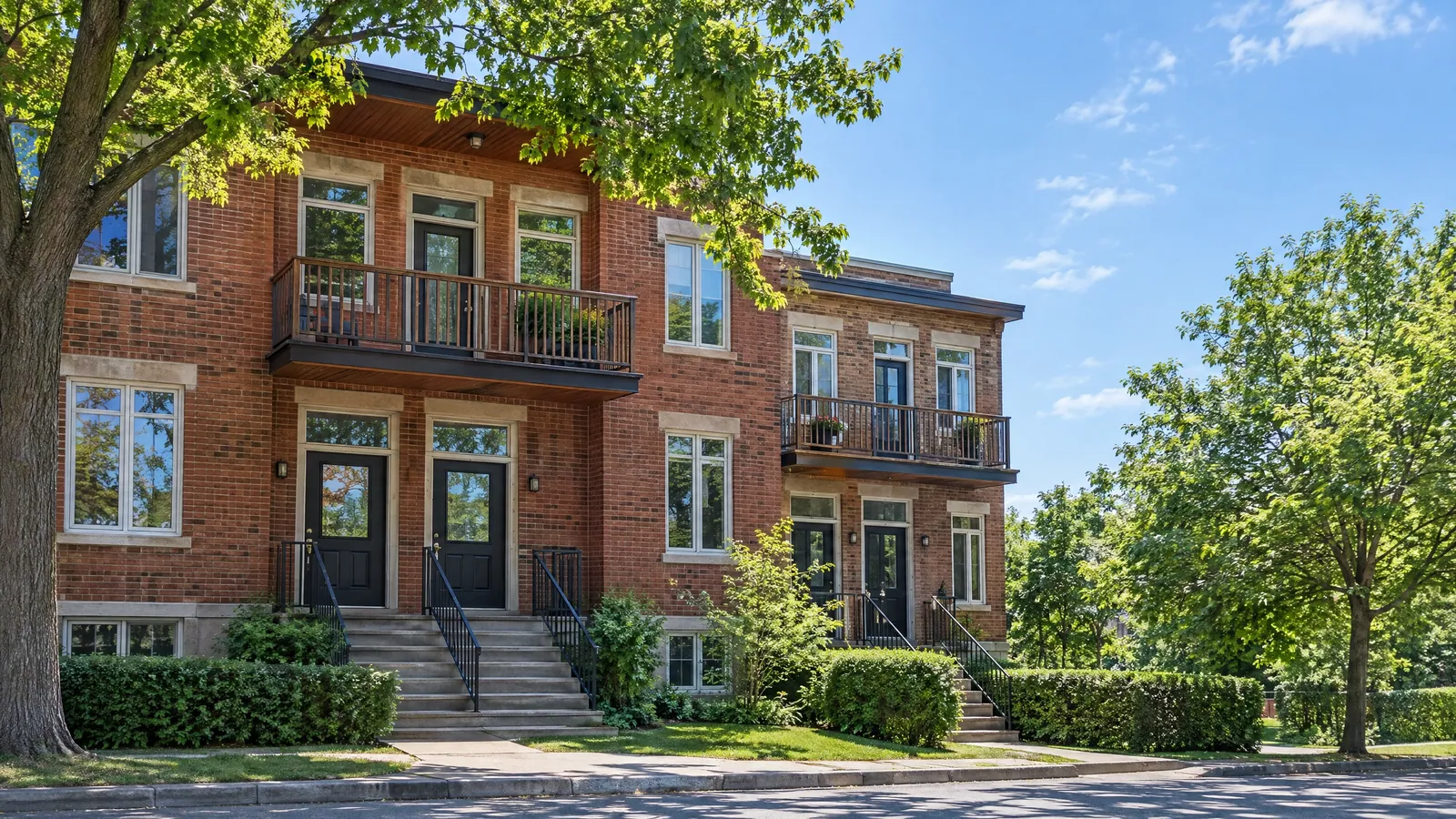
From Moffat's plexes to Crawford Park's houses
Verdun grew behind its dyke. Work on it began in 1896, and its completion set off a population boom. The Moffat area was built up with plexes between 1920 and 1930; Crawford Park came later, from 1945, in a suburban style of its own. L'Île-des-Sœurs is also part of the borough.
The door rules follow those eras. They protect the proportions and transoms of the older plex doors, and they allow simpler, full-height glass on buildings from after 1940. Before choosing a new door, it helps to know which kind of building you're in.
Door glass: proportions, height and clear glass
A permit is required to replace doors and windows in Verdun, and the rules for the glass in a replacement door are specific (Verdun rules). The glass can:
- keep proportions similar to the original's;
- be a plain rectangle within the height range the borough sets; or
- on buildings from after 1940, run the full height of the door without muntins, the bars that divide the glass.
Whichever applies, the glass must be clear, or finely textured without a pattern. If the door itself is sound, replacing just the glass keeps the original proportions; ask the borough whether that alone needs a permit. Our page on door glass replacement covers cracked and broken door panels.
Transoms: keep or restore
When a door is replaced in Verdun, its transom, the fixed pane above it, has to be kept or restored. A replacement door can't simply grow taller to fill that space, and a transom that was boarded over years ago is something to bring back rather than repeat. For a cracked or fogged transom pane, new glass cut to the existing opening is the usual fix, and it leaves the door alone.
Upper balcony doors: shorter glass and a guillotine
Balcony doors on upper floors get their own rule: they may have shorter glazing than a ground-floor door, and they may have a guillotine sash, a vertically sliding window set into the door. That keeps a familiar Verdun detail possible when a balcony door is replaced. For a door that sticks, lets in drafts or has a cracked pane, a repair usually comes first; see plex balcony doors for what can be done without a new door.
Wartime houses, and one colour per façade
Wartime houses have their own exception: their door glass may be divided by muntins and sit below the height range that applies elsewhere, so a Wartime door can keep its divided pane.
Colour is regulated too. All the doors on a façade must be the same colour, except entry doors. A replacement balcony door in a new colour isn't allowed if the others stay as they are, while the entrance door can differ. On a plex front with several doors, settle the colour before anyone orders. Our borough permit guide covers the rest of the file.
Verdun questions
How tall can the glass in a door be in Verdun?
It depends on the building. A replacement door's glass can keep proportions similar to the original, be a rectangle within the height range the borough sets, or, on buildings from after 1940, run full height without muntins. Wartime houses may have divided glass below that range. The exact measurements are on the borough's page; check them there before choosing a door.
Do I have to keep the transom above my door in Verdun?
Yes. When a door is replaced, the borough requires the transom to be kept or restored. If yours was covered over at some point, restoring it is the direction the rules point, rather than a taller door. A cracked transom pane can be replaced on its own, often the quickest way to deal with it. See door glass.
Does Verdun allow a guillotine sash in an upstairs balcony door?
Yes. The borough specifically allows balcony doors on upper floors to have shorter glazing and a guillotine sash, a vertically sliding window set into the door. That makes it possible to replace an old balcony door without losing the detail. The replacement still needs a permit. If the door is sound and only the sash or the glass is failing, ask about repairing those first.
Can I change the colour of just one door on my façade?
Not on its own, unless it's the entry door. Verdun requires all doors on a façade to be the same colour, with entry doors as the exception. If you're replacing a balcony door and want a new colour, the other doors on that façade would need to match. Agree on the colour with anyone who shares the façade before ordering.
Do you find pros on Nuns' Island?
Yes. L'Île-des-Sœurs is part of the borough of Verdun, and we connect residents there with independent local glass professionals in the same way. If your building is a condominium, talk to the syndicate before any work on windows or balcony doors; a permit file for a condo building asks for its resolution or each co-owner's letter. Our condo page explains that path.